7 Osteoporosis Myths Every Caregiver Needs to Stop Believing
By drvadmin
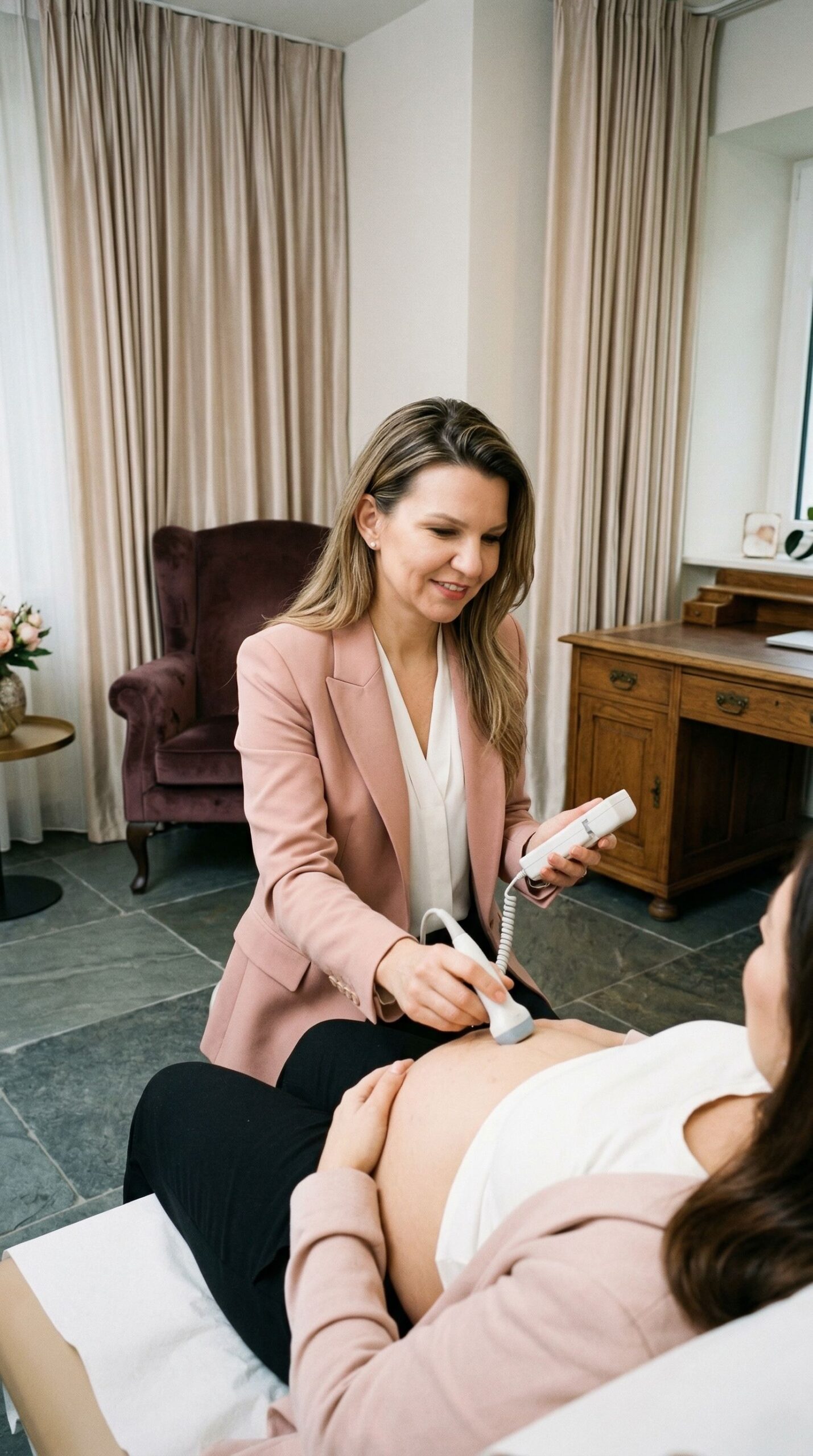
Stepping into the role of a family caregiver for an aging mother or female relative often brings unexpected challenges, especially when managing a silent condition like osteoporosis.
When a loved one is at risk for or diagnosed with significant bone loss, the sheer volume of health information can feel overwhelming. Unfortunately, much of the conventional wisdom surrounding aging and bone health is riddled with inaccuracies. Many caregivers unintentionally buy into outdated misconceptions, assuming that severe bone deterioration is an inevitable tragedy of growing older or that nothing can be done once a diagnosis is made. Relying on these falsehoods can lead to delayed treatments, inadequate nutrition, increased fall risks, and a diminished quality of life for aging women.
To provide the best possible support, caregivers must separate medical facts from persistent fiction. This comprehensive guide explores seven dangerous osteoporosis myths, explaining the underlying medical realities and offering actionable guidance to help caregivers advocate effectively for the bone health of their loved ones.
The Critical Role of Caregivers in Osteoporosis Management
Osteoporosis, a medical condition characterized by decreased bone mass and the deterioration of bone tissue, leads to increased bone fragility and a significantly higher risk of fractures. For women, the risk is particularly high due to the sharp decline in estrogen during menopause, a hormone essential for maintaining bone density. However, navigating the complexities of bone health requires more than just understanding the biology; it requires a proactive support system.
Family caregivers play an instrumental role in the daily and long-term management of a loved one's osteoporosis. The responsibilities often range from preparing nutrient-dense meals and managing complex medication schedules to attending medical appointments and modifying the home environment to prevent falls. Because the condition itself is painless until a fracture occurs, the caregiver's vigilance is often the first line of defense against catastrophic injuries.
When caregivers understand the true nature of the disease, they are better equipped to ask the right questions during clinical visits. For example, exploring preventive health screenings specific to women with a healthcare provider can open doors to early intervention. By shedding light on common osteoporosis myths, caregivers can transform their approach from reactive anxiety to proactive, evidence-based management, ultimately helping aging women maintain their independence and mobility for as long as possible.
- Caregivers assist with medication adherence and tracking side effects.
- They play a crucial role in modifying the home environment to minimize fall risks.
- They act as medical advocates during appointments, ensuring comprehensive evaluations.
- Caregivers help implement dietary and lifestyle changes recommended by physicians.

Debunking Age-Related Osteoporosis Myths
Ageism often creeps into medical discussions, leading families to accept deteriorating health as a natural consequence of time. This mindset is particularly harmful when it comes to bone health, as it discourages proactive screening and treatment.
Myth 1: Severe Bone Loss is a Normal, Unavoidable Part of Aging
One of the most pervasive osteoporosis myths is the belief that becoming frail and developing brittle bones is simply what happens when people get older. While it is true that humans reach their peak bone mass in their late twenties and slowly begin to lose bone density thereafter, severe depletion leading to osteoporosis is a distinct disease state, not a universal guarantee.
Medical guidelines suggest that bone health is heavily influenced by genetics, lifetime physical activity, nutrition, and hormonal transitions. While some bone loss is expected, osteoporosis represents a pathological acceleration of this process. Accepting severe bone loss as "normal" prevents families from seeking treatments that can significantly alter the trajectory of the condition. Caregivers should view osteoporosis as a manageable and often preventable medical condition, rather than an inevitable fate.
Myth 2: Osteoporosis Only Affects Women in Their 80s or 90s
Many caregivers are caught off guard when a loved one in their 50s or 60s is diagnosed with osteoporosis, assuming the disease is reserved for women of advanced age. This misconception stems from the fact that fractures are more common and more visible in older populations.
In reality, the most rapid period of bone loss occurs in the first five to seven years following menopause, typically in a woman's 50s. During this time, women can lose up to 20 percent of their bone density due to the sudden drop in bone-protecting estrogen. Furthermore, factors such as premature menopause, thyroid disorders, and the use of certain medications (like corticosteroids) can trigger osteoporosis much earlier. Board-certified physicians frequently recommend early screening for women with specific risk factors, long before they reach their senior years.

Misconceptions About Symptoms and Fractures
Understanding how osteoporosis presents—and the true nature of osteoporosis-related fractures—is essential for recognizing the disease before a life-altering injury occurs.
Myth 3: You Will Know Your Loved One Has Osteoporosis Because Their Bones Will Ache
A highly dangerous assumption among caregivers is that osteoporosis causes bone pain or aching joints, prompting a doctor's visit. Consequently, if a loved one feels fine and has no joint pain, caregivers may assume their bones are perfectly healthy.
Osteoporosis is widely referred to in the medical community as a "silent disease." Bone loss itself does not cause pain. A woman cannot feel her bones becoming thinner or more porous. By the time pain is present, it is almost always the result of a bone breaking. This is why caregivers cannot rely on physical symptoms to gauge a loved one's bone health. Routine Dual-Energy X-ray Absorptiometry (DEXA) scans are the only reliable way to measure bone mineral density before a fracture happens.
Myth 4: A Broken Bone is Just the Result of a Bad Fall
When an older woman falls and breaks a hip or a wrist, it is easy to blame the accident itself—perhaps an icy sidewalk or a poorly placed rug. While the fall is the trigger, the underlying cause of the break is often undiagnosed osteoporosis.
Healthy bones should be able to withstand a minor fall from standing height. When a bone breaks from a minor impact—a condition medical professionals call a "fragility fracture"—it is a glaring red flag for osteoporosis. In severe cases, fragile bones can break from the force of a strong sneeze, coughing, or simply bending over to tie a shoe. Caregivers must recognize that any fracture occurring from minimal trauma warrants an immediate and comprehensive bone health evaluation by a healthcare provider.
The Truth About Diet, Supplements, and Movement
Lifestyle factors play a massive role in managing osteoporosis, but the internet is full of oversimplified advice regarding nutrition and exercise that can sometimes do more harm than good.
Myth 5: Taking a Calcium Supplement is Enough to Fix the Problem
The association between calcium and strong bones is deeply ingrained in popular culture. As a result, many caregivers believe that simply adding a high-dose calcium supplement to their loved one's routine will cure or prevent osteoporosis.
While calcium is a critical building block of bone tissue, the body cannot effectively absorb or utilize it without sufficient Vitamin D. Furthermore, emerging research highlights the importance of other nutrients, such as Magnesium, Vitamin K, and adequate dietary protein, in maintaining bone architecture. Additionally, over-supplementation of calcium without medical supervision may increase the risk of kidney stones and has been studied for potential cardiovascular risks. Healthcare providers generally recommend obtaining calcium through dietary sources first (such as leafy greens, dairy, and fortified foods) and supplementing only when necessary based on individual lab results.
Myth 6: Women with Osteoporosis Should Avoid Exercise to Prevent Fractures
Upon hearing an osteoporosis diagnosis, caregivers naturally become protective. A common instinct is to encourage the patient to sit down, stop lifting things, and restrict physical activity to avoid falls and fractures. This phenomenon, sometimes called kinesiophobia (fear of movement), is actively detrimental to bone health.
Bones respond to the stress placed upon them; without mechanical loading, they weaken further. Medical professionals emphasize that safe, targeted exercise is a cornerstone of osteoporosis management. Weight-bearing exercises (like brisk walking or dancing) and resistance training help stimulate bone-building cells. Furthermore, balance and posture exercises, such as Tai Chi or specific physical therapy routines, drastically reduce the risk of falling. Caregivers should consult a physical therapist to design a safe, customized exercise program rather than encouraging a sedentary lifestyle.
Dispelling Myths About Diagnosis and Treatment
Navigating the medical landscape of osteoporosis treatment can be daunting. Clearing up misconceptions about what can be achieved medically empowers families to seek comprehensive care.
Myth 7: Once Osteoporosis is Diagnosed, It Is Too Late to Improve Bone Health
Perhaps the most disheartening of all osteoporosis myths is the belief that a diagnosis signifies a point of no return. Many caregivers believe that once bones become porous, nothing can be done to strengthen them, leaving the patient to wait anxiously for the next fracture.
This is entirely false. Modern medicine offers highly effective treatments that can halt bone loss and, in many cases, actively rebuild bone density. Antiresorptive medications, such as bisphosphonates, slow down the cells that break down bone. Anabolic therapies can stimulate bone formation, significantly reducing the risk of spinal and hip fractures. When these medical interventions are combined with proper nutrition, fall prevention strategies, and safe exercise, patients can experience a marked improvement in their bone strength.
Caregivers should view an osteoporosis diagnosis not as an inevitable decline, but as a critical pivot point. By seeking guidance from an internal medicine physician or a specialist, families can access comprehensive care plans. Patients can learn more about managing their overall wellness by reviewing Dr. Vuslat Muslu Erdem's approach to preventive medicine and women's health.
How to Proactively Advocate for a Loved One's Bone Health
Armed with the truth behind these osteoporosis myths, family caregivers can take immediate, actionable steps to protect their loved ones. Advocacy begins at home and extends into the doctor's office, ensuring that bone health is never overlooked.
The first step is preparing for medical appointments. Caregivers should compile a comprehensive list of all current medications, as some drugs—such as glucocorticoids, certain antidepressants, and proton pump inhibitors—can negatively impact bone density. During the visit, caregivers should specifically ask the physician if a bone density scan (DEXA) is appropriate. To ensure the process goes smoothly, caregivers can assist in preparing for the appointment and even schedule an appointment on behalf of their loved one if needed.
Beyond medical appointments, caregivers must assess the home environment for fall hazards. Proactive home safety measures are highly effective in preventing fragility fractures. This involves removing trip hazards like loose throw rugs and electrical cords, improving lighting in hallways and bathrooms, and installing grab bars near the toilet and shower. Encouraging the use of supportive, non-slip footwear inside the house is another simple but vital step.
Finally, caregivers can support nutritional and physical health by preparing well-rounded meals rich in essential vitamins and encouraging daily, safe movement. Connecting with educational resources about aging and women's wellness can further empower caregivers to provide the best possible support, ensuring that their loved one's golden years are characterized by vitality and strength rather than fear and fragility.
- Schedule a DEXA scan for women over 65, or earlier if risk factors are present.
- Review all current medications with a doctor to identify bone-depleting side effects.
- Fall-proof the home by improving lighting, removing rugs, and adding grab bars.
- Encourage safe, weight-bearing exercises approved by a healthcare provider.
- Ensure a balanced diet rich in calcium, Vitamin D, magnesium, and protein.
Conclusion
Managing a loved one's bone health requires diligence, patience, and access to accurate medical information. By debunking common osteoporosis myths—such as the belief that severe bone loss is inevitable, that calcium alone is a cure, or that a diagnosis means it is too late for treatment—caregivers can confidently navigate the healthcare system. Recognizing that osteoporosis is a preventable, treatable, and "silent" condition is the first step toward effective advocacy.
Being a caregiver is an act of profound love and dedication. While the responsibilities can sometimes feel overwhelming, equipping yourself with factual, science-backed knowledge transforms anxiety into empowering action. Aging women deserve to live their later years with confidence, mobility, and strength.
If you are concerned about a family member's bone health, talk to your doctor or schedule an appointment with a board-certified physician to discuss personalized screening and treatment options.
Disclaimer: Women's health decisions should be made in partnership with your healthcare provider. This content is for educational purposes and does not replace professional medical advice. Individual results vary, and specific treatments should be discussed directly with a physician.
Frequently Asked Questions
When should an older woman get her first bone density scan?
Medical guidelines generally recommend that all women receive a baseline DEXA scan at age 65. However, if a woman has specific risk factors—such as early menopause, a history of smoking, a low body mass index, or long-term use of certain medications like steroids—her healthcare provider may recommend a scan much earlier.
Can medications my loved one takes for other conditions make osteoporosis worse?
Yes, several medications can negatively affect bone density. Long-term use of glucocorticoids (steroids), certain selective serotonin reuptake inhibitors (SSRIs), proton pump inhibitors (PPIs) used for acid reflux, and some anti-seizure medications may accelerate bone loss. Caregivers should review all prescriptions with a physician to weigh the risks and benefits.
What exactly is a fragility fracture?
A fragility fracture is a broken bone that occurs from a low-impact trauma that would not typically break a healthy bone, such as falling from a standing height or less. These fractures are considered a major warning sign of severe bone loss and osteoporosis.
Is it safe for an older woman with osteoporosis to do strength training?
In most cases, yes. While high-impact or twisting exercises may need to be modified, targeted strength and resistance training is highly recommended. It helps stimulate bone growth and improves muscle strength, which stabilizes joints and prevents falls. Always consult a healthcare provider or physical therapist before starting a new exercise regimen.
How can family caregivers effectively help prevent falls at home?
Caregivers can significantly reduce fall risks by clearing clutter from walkways, securing or removing loose throw rugs, installing bright lighting (especially for nighttime trips to the bathroom), adding grab bars in the tub and near the toilet, and ensuring the patient wears supportive, slip-resistant footwear indoors.
Women's health decisions should be made in partnership with your healthcare provider. This content is for educational purposes and does not replace professional medical advice.